
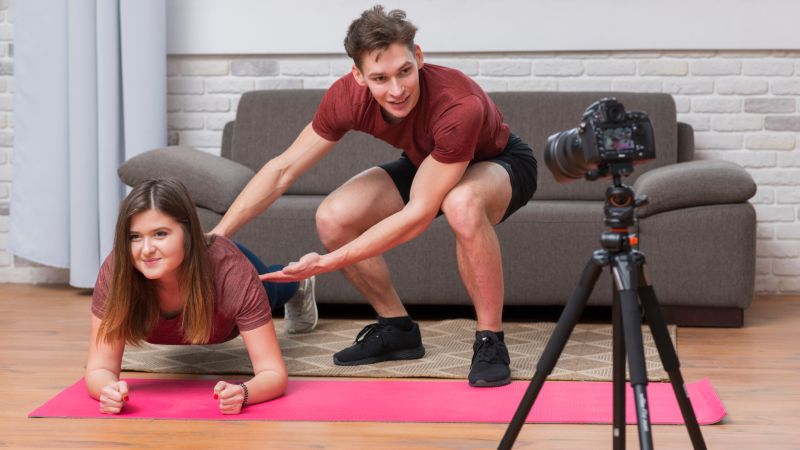
Fitness has become an important part of modern life as more people recognize the value of staying active, eating nutritious food, and maintaining a healthy lifestyle. From home workouts and outdoor activities to strength training and mindful movement, there are many ways to improve physical fitness. Fitness news helps readers discover new exercise trends, practical health tips, and simple strategies for building better daily habits.
LLBLogFamily aims to make fitness information easy to understand and useful for individuals and families. Whether someone is starting their fitness journey or already follows a regular exercise routine, learning about current fitness trends can provide motivation and fresh ideas. The most effective fitness approach is one that fits a person’s lifestyle, physical abilities, and personal goals.
1. Why Fitness Is Important in Everyday Life
Physical fitness supports overall health and helps people manage their daily responsibilities more comfortably. Regular physical activity can improve stamina, strengthen muscles, support bone health, and help maintain a healthy body weight. It can also contribute to better sleep, improved mood, and greater confidence.
A fitness routine does not have to involve expensive gym memberships or complicated equipment. Walking, cycling, dancing, gardening, and exercising at home can all contribute to an active lifestyle. The important thing is to choose activities that are enjoyable and realistic enough to maintain over time.
For families, fitness can also become a shared activity. Parents and children can walk together, play outdoor games, or participate in weekend activities. These simple habits encourage movement while creating opportunities to spend quality time together.
2. Latest Fitness Trends to Follow
Fitness trends continue to evolve as people look for convenient and effective ways to stay active. Some popular approaches include home workouts, functional training, strength exercises, walking challenges, and wearable fitness technology.
Home workouts remain useful for people who have limited time or prefer exercising privately. Online workout videos and fitness applications can help users follow structured routines without travelling to a gym. However, beginners should select exercises suitable for their abilities and avoid movements that cause pain.
Strength training is another important fitness practice. It uses resistance, such as body weight, resistance bands, or weights, to develop muscular strength. When performed with appropriate technique and recovery, strength training can support everyday movements and help preserve muscle as people age.
Functional training focuses on movements used in daily activities, such as squatting, reaching, lifting, and balancing. It can help people develop coordination and control that are useful beyond the gym.
Although new trends can be motivating, the best fitness routine is not necessarily the newest or most popular one. Consistency, safety, and personal suitability matter more than following every trend.
3. The Benefits of Regular Exercise
Regular exercise offers several physical and mental benefits. Aerobic activities such as brisk walking, swimming, and cycling improve cardiovascular fitness. Strength exercises help build and maintain muscles, while balance activities can improve stability and coordination.
Physical activity may also support mental well-being. Many people find that walking, stretching, or exercising helps them manage everyday stress and feel more energetic. Exercise can provide a useful break from work, screens, and other daily responsibilities.
Movement can also improve sleep quality for many individuals. Establishing a consistent activity schedule may help create a healthier daily routine, although exercise timing and individual responses vary.
Adults should generally aim for at least 150 minutes of moderate-intensity aerobic activity each week, along with muscle-strengthening activities on two or more days, in line with widely used public health recommendations. People who are currently inactive can begin with shorter sessions and gradually increase their activity.
Those with existing health conditions, significant mobility limitations, or concerns about starting exercise should seek appropriate professional guidance.
4. Healthy Eating and Fitness
Nutrition plays an important role in supporting exercise, recovery, and overall health. The body needs sufficient energy, protein, carbohydrates, healthy fats, vitamins, minerals, and fluids to function effectively.
A balanced diet can include vegetables, fruits, whole grains, beans, lentils, eggs, dairy products or suitable alternatives, nuts, seeds, and other sources of protein. Including a variety of foods helps provide nutrients needed for everyday activities and exercise.
Protein supports muscle maintenance and repair. Good sources include eggs, fish, chicken, milk, yogurt, beans, lentils, and chickpeas. Carbohydrates from foods such as oats, rice, potatoes, and whole grains provide energy for physical activity.
Healthy fats from foods such as nuts, seeds, and certain oils also form part of a balanced diet. Rather than following extreme diets or eliminating entire food groups without a medical reason, most people benefit from eating varied, balanced meals.
Fitness enthusiasts should be cautious about products that promise rapid muscle growth, dramatic weight loss, or guaranteed results. A sustainable combination of exercise, nutrition, sleep, and patience is generally more useful than relying on unproven shortcuts.
5. Home Workouts for Busy People
Busy schedules can make it difficult to visit a gym regularly. Home workouts offer a convenient alternative because they require little or no equipment and can be adapted to different fitness levels.
A beginner might start with a short routine consisting of marching in place, chair squats, wall push-ups, gentle step-ups, and stretching. The number of repetitions should depend on individual ability, and movements should be performed slowly with good control.
A simple routine could begin with five minutes of gentle warm-up, followed by several comfortable rounds of basic exercises. Finish with a few minutes of relaxed movement and stretching. Anyone experiencing sharp pain, dizziness, chest discomfort, or unusual breathlessness should stop exercising and seek appropriate medical help.
People can also incorporate movement into daily activities by taking short walking breaks, using stairs when appropriate, or standing and stretching between periods of sitting.
The main advantage of home workouts is flexibility. Even a short session can help establish a regular exercise habit when it is performed consistently.
6. Walking: A Simple Way to Stay Fit
Walking is one of the most accessible forms of physical activity. It requires little equipment, can be performed in many environments, and is suitable for a wide range of fitness levels when adapted appropriately.
Regular brisk walking can support cardiovascular health, improve endurance, and contribute to weekly physical activity goals. It may also provide an opportunity to enjoy fresh air, explore the neighbourhood, or spend time with family members.
Beginners can start with a comfortable five- or ten-minute walk and gradually increase the duration as their stamina improves. People who already walk regularly may introduce slightly faster intervals or choose varied routes to make their routine more interesting.
Comfortable footwear, suitable clothing, and attention to weather conditions can make walking safer and more enjoyable. During hot weather, it is sensible to avoid the hottest part of the day, drink enough fluids, and choose shaded routes where possible.
Walking does not need to be competitive. The goal is to build a sustainable habit that supports health and fits comfortably into everyday life.
7. Fitness Technology and Wearable Devices
Technology has changed the way many people monitor their physical activity. Smartwatches, fitness bands, mobile applications, and online workout platforms can help users record steps, track exercise sessions, and monitor selected health measurements.
These tools may encourage people to set achievable goals and observe their progress. For example, someone who spends much of the day sitting might use a reminder to take regular movement breaks.
However, wearable devices do not measure every aspect of health perfectly. Step counts, calorie estimates, sleep measurements, and other readings can be inaccurate. They should be treated as general guides rather than exact medical measurements.
People should also avoid becoming overly concerned about reaching every daily target. Rest, recovery, and individual needs matter just as much as activity totals.
Technology works best when it supports healthy habits instead of creating unnecessary pressure. A simple notebook or calendar can be equally useful for people who prefer not to use digital devices.
8. Mental Health and Physical Activity
Fitness is not only about physical appearance or athletic performance. Mental well-being is another important part of a healthy lifestyle, and physical activity can contribute to emotional balance.
Activities such as walking, cycling, swimming, and yoga may help some people feel calmer and more focused. Exercise can also create a sense of achievement as individuals gradually improve their strength, endurance, or flexibility.
Group activities provide opportunities for social connection. Joining a walking group, playing a sport, or exercising with friends can make fitness more enjoyable and help people stay motivated.
It is important to maintain realistic expectations. Exercise may support mental health, but it is not a replacement for professional care when someone is experiencing persistent anxiety, depression, or other serious difficulties.
A balanced fitness routine should leave room for rest and enjoyment rather than becoming another source of stress.
9. Fitness Tips for Families
Families can support one another by making physical activity a normal part of daily life. Children and adults benefit from opportunities to move, play, and develop healthy routines that suit their ages and abilities.
Parents can organize family walks, outdoor games, cycling trips, or weekend activities. Children often enjoy movement more when it feels like play instead of a strict exercise assignment.
Adults can also encourage healthy eating by preparing balanced meals and involving family members in selecting fruits, vegetables, and other nutritious foods. Keeping water available and limiting excessive screen time can support healthier habits.
Fitness goals should be age-appropriate. Children generally need plenty of active play, while older adults may benefit from activities that include strength, balance, and flexibility exercises.
Families should avoid comparing individual bodies, weights, or athletic abilities. Encouragement, enjoyment, and gradual improvement are more valuable than competition or criticism.
10. Common Fitness Mistakes to Avoid
One common mistake is doing too much too soon. People who begin with intense workouts may experience excessive soreness, lose motivation, or increase their risk of injury. Starting gradually allows the body to adapt.
Another mistake is ignoring proper technique. Exercises performed incorrectly can place unnecessary stress on joints and muscles. Beginners should learn the basic movement patterns before increasing resistance or difficulty.
Skipping recovery is also unhelpful. Muscles need time to recover from challenging workouts, and adequate sleep supports overall health. Rest days or lighter activity days can be part of an effective fitness plan.
Some people focus entirely on weight loss while overlooking strength, endurance, mobility, and general well-being. Fitness progress can be measured in many ways, including walking farther, lifting comfortably, sleeping better, or feeling more energetic.
Finally, unrealistic expectations can lead to disappointment. Sustainable changes usually require time, and results vary between individuals. A consistent, balanced approach is more valuable than extreme routines promising instant transformation.
11. How to Build a Sustainable Fitness Routine
Creating a realistic fitness routine begins with identifying personal goals. Someone who wants to improve stamina may focus on walking or cycling, while someone interested in strength may include resistance exercises.
The next step is to choose a manageable schedule. Beginners might start with short activity sessions several days per week and gradually build their routine. Scheduling workouts at convenient times can make them easier to maintain.
Variety can also help. Combining aerobic activity, strength training, balance work, and flexibility exercises supports different aspects of fitness. The exact balance depends on age, ability, health status, and personal goals.
Tracking progress can provide motivation, but it should not become an obsession. Recording completed sessions or noticing improvements in everyday activities may be enough.
Most importantly, a sustainable routine should allow flexibility. Missing a workout occasionally does not mean failure. Returning to the routine when possible is more useful than abandoning the plan entirely.
12. The Role of LLBLogFamily in Fitness Awareness
LLBLogFamily can help readers explore fitness topics through accessible articles, practical suggestions, and explanations of everyday health habits. Useful fitness content should help readers understand why movement matters and how to apply general recommendations to their own lives.
Readers can use fitness articles to discover beginner exercises, understand the importance of balanced nutrition, explore walking routines, and learn about recovery. Family-oriented information can also encourage households to make physical activity a shared priority.
Reliable fitness information should distinguish established health guidance from unverified claims. It should avoid promising instant results, recommending extreme exercise schedules, or presenting supplements as essential for everyone.
By focusing on realistic goals and sustainable habits, LLBLogFamily can encourage readers to make informed decisions about their well-being.
Conclusion
Fitness is an ongoing journey built on regular movement, balanced nutrition, adequate recovery, and realistic expectations. Popular trends and modern technology can provide useful ideas, but long-term progress depends on habits that people can maintain safely.
From home workouts and walking to strength training and family activities, there are many practical ways to become more active. Small changes can gradually develop into meaningful routines when they fit individual needs and daily responsibilities.
Through fitness news, helpful guidance, and accessible information, LLBLogFamily can inspire readers to take positive steps towards healthier living. The most important goal is not perfection but steady progress towards a more active, balanced, and enjoyable life.